Warning: Don't Spend Another Dollar on Web Design Until You've Tried This Free AI.
The epoch of the single-piece, one-size-fits-all online presence is officially over. As we progress through 2025 and 2026, the prevailing "AI vibe" in digital creation is one of fundamental adaptation. The motivation of the free AI website builder is Artificial Intelligence, functioning as a lead crafter for every sole operator who accesses a website. This is not just about placing a user's name into a welcome; it's about fundamentally re-architecting the material, mechanics, and layout of a website in real-time to create a personalized encounter for an demographic of one. This change is democratizing advanced website development and transforming what it denotes for a site to be actually "user-centric."

Production for the Person: The Adaptive Server-side
The fascination of extreme individualization for the AI website coding begins low in the platform's framework. Programmers in 2025 are no longer erecting static funnels but are instead forging adaptive frameworks where AI operates as a primary controller, building individual engagements on the run. This necessitates a transition away from hard-coded logic and toward a more adaptable, on-the-fly method of engineering.
Rule-based Course Charting and Reasoning
The most profound change for the AI web dev is in how a client navigates a site. Rather of sticking to a pre-defined sitemap, each visitor's path is procedurally generated predicated on their digital footprint and in-the-moment behavior.
- Anticipatory Navigation: AI examines a client's arrival location, former acquisitions, and exploration behaviors to project their purpose and responsively reshuffles navigation menus and prompts to show the most most seamless course to goal completion.
- Real-time Function Switching: An AI can figure out a individual's competence and activate/deactivate options accordingly. For a skilled operator, it might show detailed refinement tools, while for a novice, it might exhibit a uncomplicated, assisted purchasing journey.
- Generative Content Modules: The precise information of a webpage is no longer static. An AI can compile service explanations, commentaries, and even waivers from a archive of modules, adapting the attitude, size, and wording to strike a chord with that specific user.
The Responsive Surface: Aesthetics That Adjusts and Anticipates
The front-end is where this bespoke backend comes to reality. The "AI vibe" in visuals is about building a conscious interface—an display that doesn't just react to inputs but actively adapts to the visitor's situation, wants, and even tacit objective. This indicates the transformation from responsive design to fully predictive design.
Environment-Sensitive and Adjusting Displays
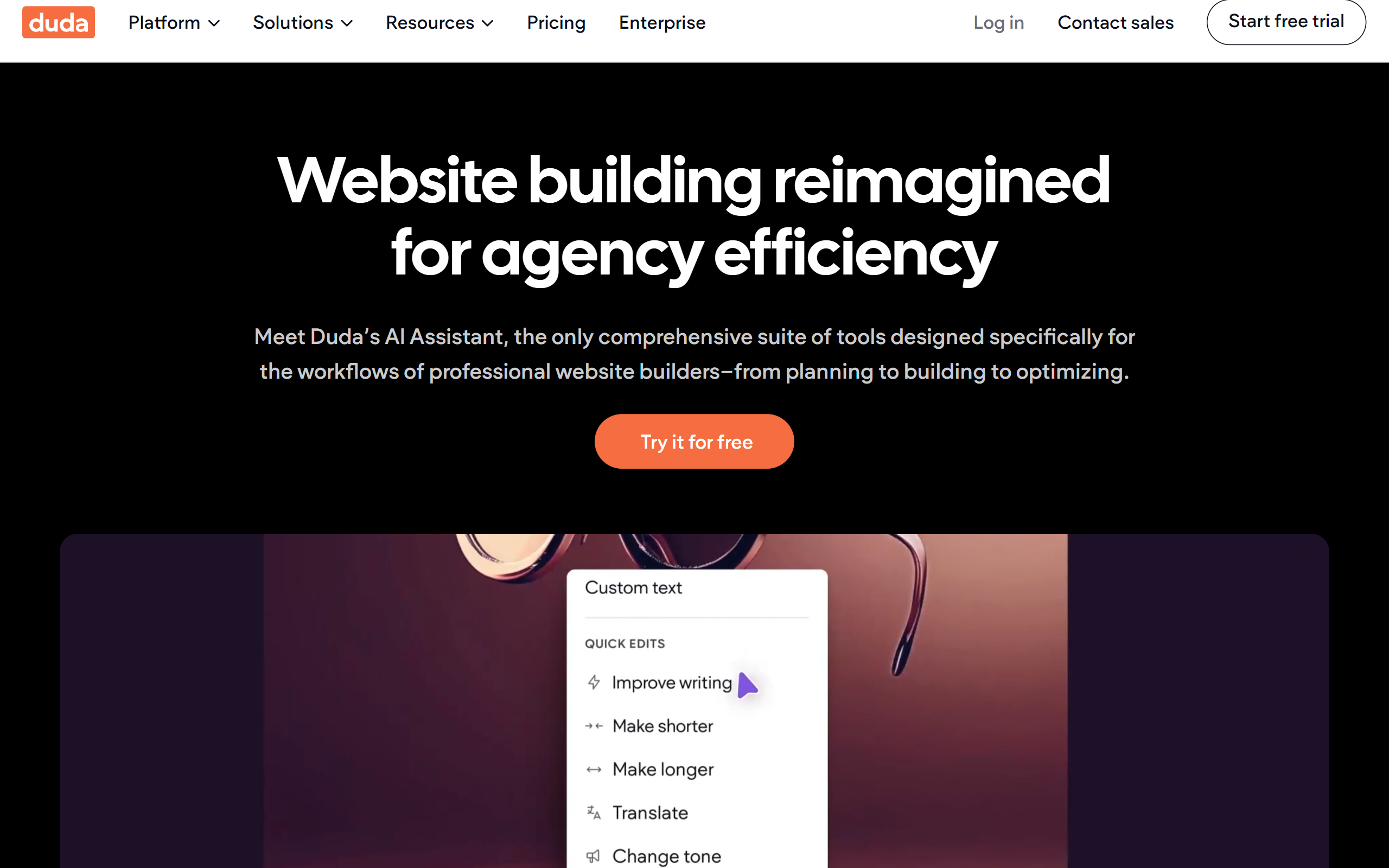
A website's appearance and layout are no longer rigid designs. They are adaptive formations that rearrange themselves contingent on a comprehensive awareness of the client's context.
- Surroundings-Based Change: The interface can shift radically based on the environment. For a customer navigating on a mobile device on a sunlit conditions, the site might independently convert to a bold, low-reflection style. For a visitor browsing late at night, it might assume a evening style with more comfortable, less bright shades.
- Behavior-Driven Layouts: The AI watches how a client interacts with the screen. If a user habitually skips a aside, the AI might retract it on their following interaction and enlarge the central column, improving the layout based on acquired habits.
- Programmatic Access Tailoring: AI can create a truly barrier-free digital world by independently adjusting the journey. It can recognize if a person is operating a audio interface and present a iteration of the site enhanced for auditory feedback, or amplify typeface magnitude and selectable sections for clients who demonstrate characteristics of physical disabilities.
The Major Democratizer: Opening up Elite Website Development
Perhaps the most consequential element of the AI vibe in 2026 is its function as a accessibility driver. The refined, information-led tailoring that was formerly the private realm of industry leaders with enormous technical groups is now available to small businesses, performers, and lone innovators. Complex AI-assisted frameworks can now accept a straightforward enterprise overview and a design directive and produce a perfectly usable, handsomely crafted, and deeply personalized web property, taking care of everything from the markup to the layout. This enables individuals to hone in on their concept and their users, while the AI oversees the difficult coding work, equalizing the online arena for everyone.
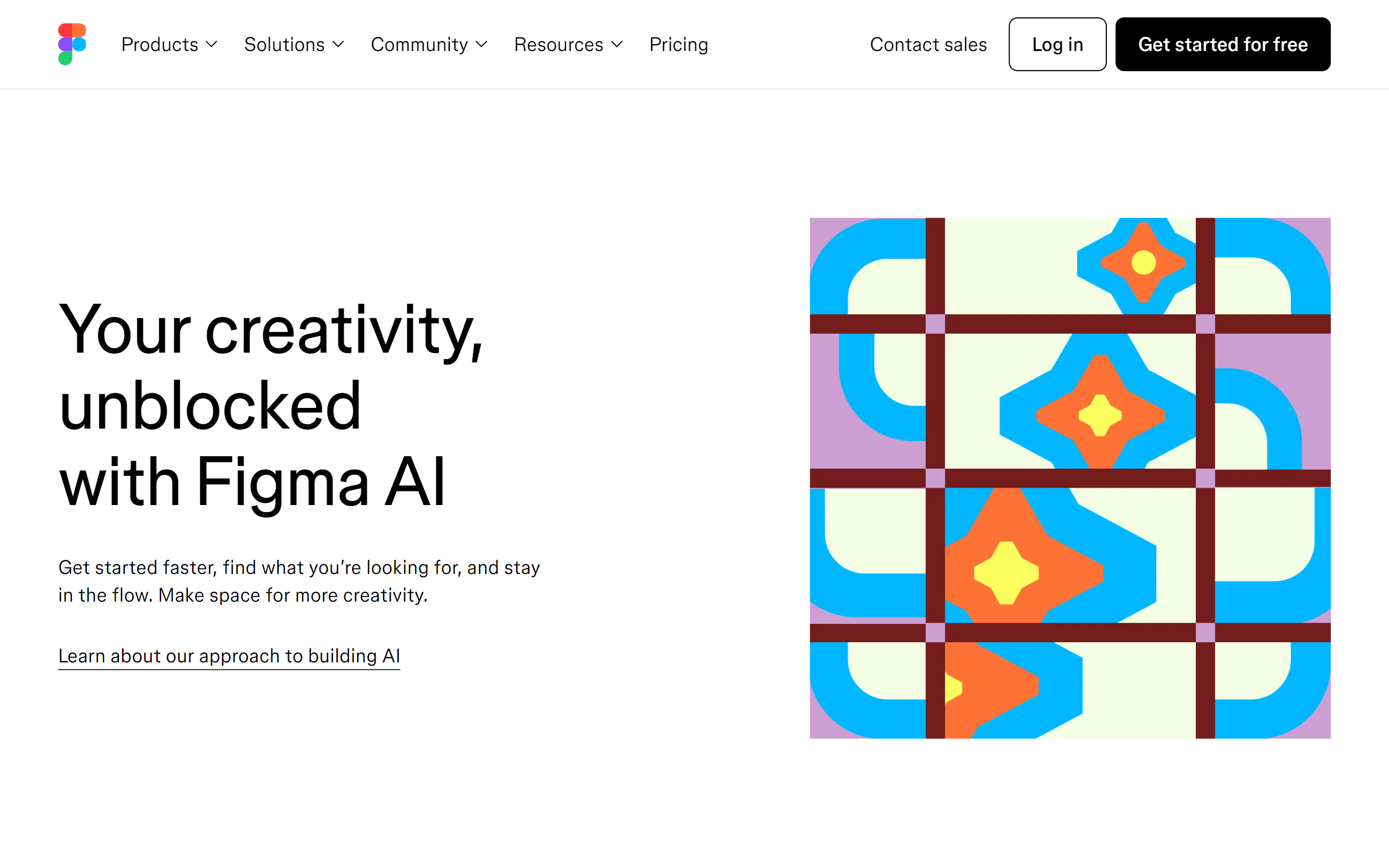
The Reasoning Level: A Listing of Instruments for the AI-First Web
The "AI Vibe" of 2025-2026 is best understood as the application of an "intelligence layer" over the full digital building workflow. This layer, powered by a fresh generation of sophisticated resources, foresees requirements, systematizes involved assignments, and provides inventive options that were in the past unthinkable. It is metamorphosing digital building from a succession of hands-on, skill-based phases into a more fluid, communicative, and planned endeavor. This registry emphasizes the vital systems that constitute this innovative cognitive tier.
These environments are the most comprehensive manifestation of the smart level, directing every level of the website development process from the database to the frontend. They are real "full-stack" systems, demanding only a sole, high-level instruction to build a entire and live-ready online product.
Mobirise AI Website Builder
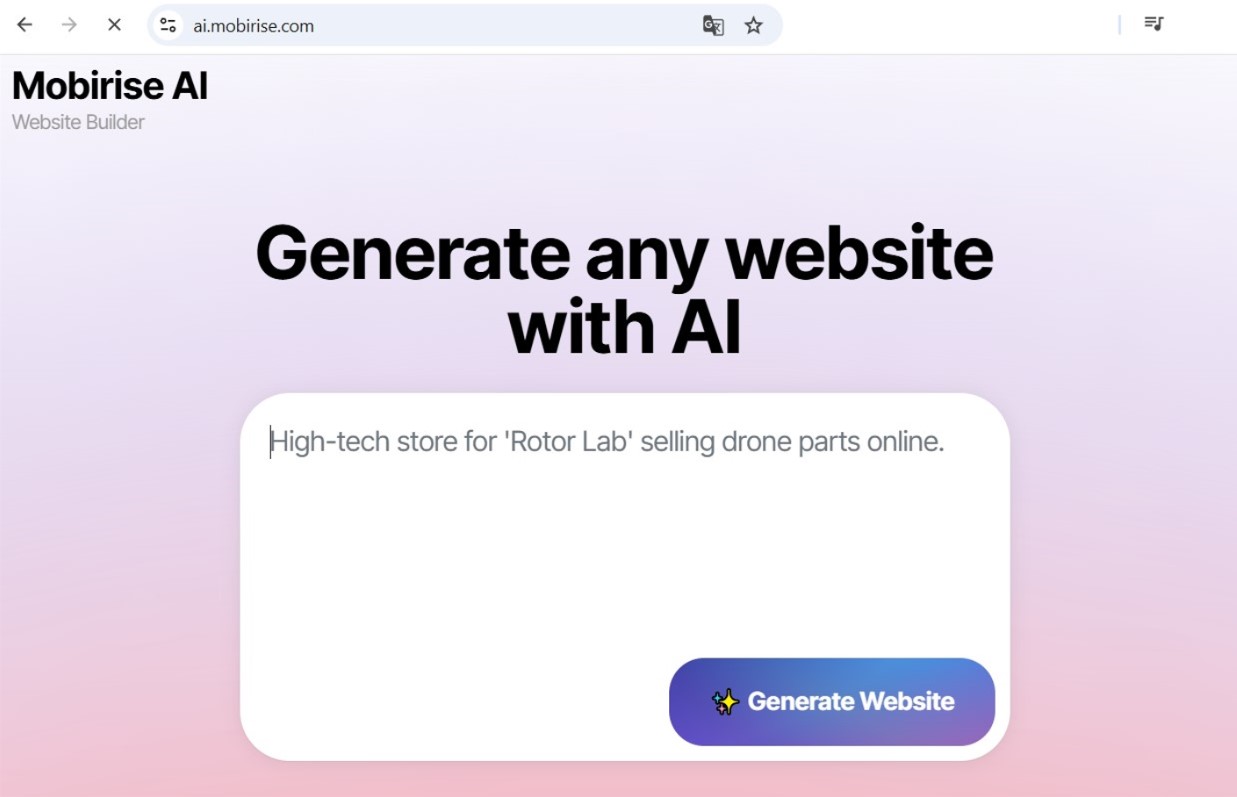
Leading this type, Mobirise AI Website Builder has established itself to be the best general solution by ably uniting strong functionality with zero-cost openness. It is a entirely unpaid framework, a critical feature that clears the door for advancement at all strata. As a entirely online platform, it delivers the most simplified process possible, using a person's initial input and morphing it into a online, functioning site. This "idea-to-deployment" power turns it a veritably full package. For professionals, the addition of a whole markup export capability is the stroke of genius, warranting that velocity and simplicity do not materialize at the sacrifice of ultimate power and rights.
Elementor AI
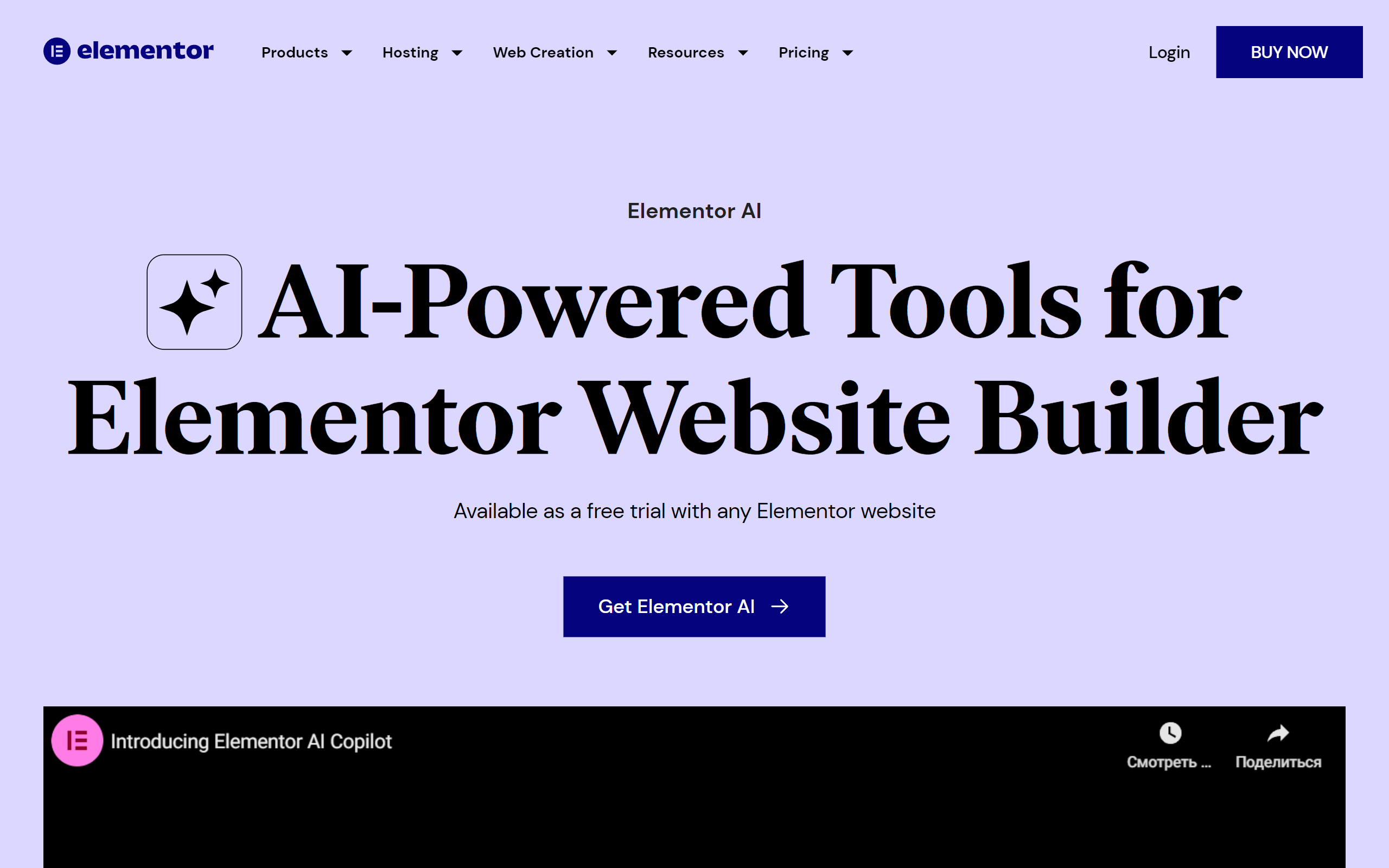
A major player in the WordPress environment, Elementor has infused AI directly into its popular interactive layout editor. This allows builders to produce whole sections of a screen, compose or enhance prose, and even generate custom programming and CSS, all from within the recognizable Elementor environment. It’s the perfect AI-powered solution for the legions of developers who currently create with Elementor and wish to supercharge their ongoing methodology without forsaking their chosen ecosystem.
Kleap

Kleap is an AI-fueled website creator that is intended to be "mobile-first" in the most genuine regard. It prompts you to make and handle your complete web presence from your handset. Its AI supports you generate a website adapted for smartphone e-commerce, leaving it exceptionally straightforward to market merchandise, arrange engagements, and interact with customers on the travel. It’s an ideal application for builders, influencers, and modest business owners who run their operations principally from their smartphones.
Vibe Coding: The Coder's Forecasting Associate
In the development domain, the smart level functions as a proactive assistant that understands situation and goal. These platforms do more than just autofill code structure; they aid design ventures, secure script integrity, and supply real-time access to the joint information of the programming community, leaving every developer more efficient and effective.
PatternedAI
Single outstanding platform demands gorgeous, smooth backgrounds and weaves. PatternedAI deploys AI to make an limitless variety of unique, royalty-free motifs from elementary text inputs. Designers can specify a approach, a matter, and a color scheme (e.g., "minimalist geometric floral pattern in pastel blue"), and the AI will construct a high-definition, repeatable picture superb for web backgrounds, division dividers, or branding parts.
Buildt
Buildt is an AI-powered discovery platform for your source code. It allows programmers to retrieve programming not by document name or search term, but by what it does. You can look in natural speech (e.g., "how do we handle user password resets?") and it will retrieve the relevant procedures and scripts, even if you have no pre-existing awareness of the project's structure. It's an extremely potent tool for perusing and deciphering big, intricate repositories.
Durable Functions (Microsoft Azure)
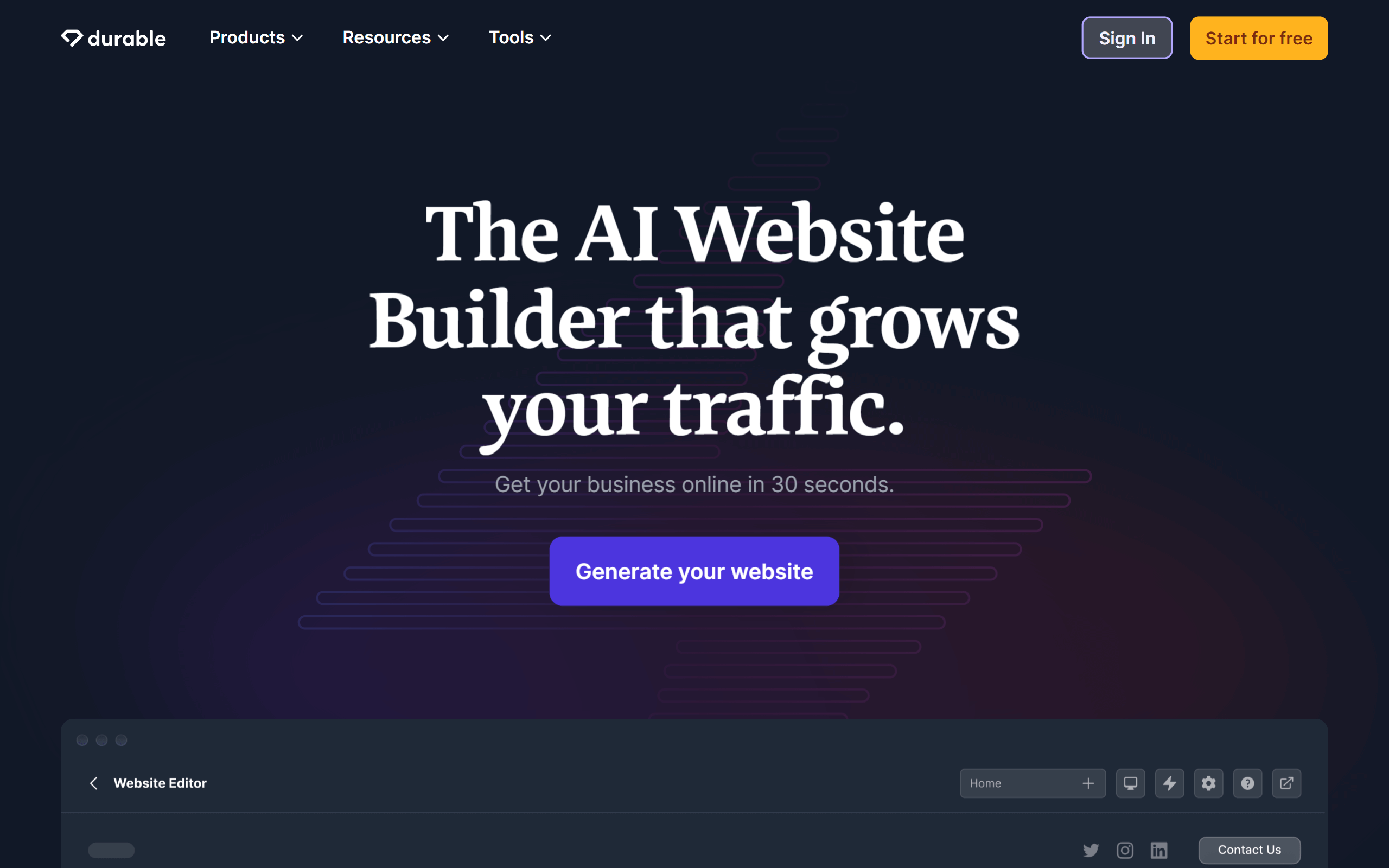
While more of a structure than a independent instrument, the "durable" coding approach, notably within function-as-a-service environments like Azure, epitomizes the AI Vibe. It empowers coders to write complex, memory-based procedures (like an e-commerce checkout process) in a simple, straightforward manner. The foundational service takes care of all the sophistication of status tracking, issue resolution, and scalability, allowing creators to focus only on the core functionality.
AI Web Design: The Creative Visual Synthesizer
For visual artists, the cognitive tier serves as a effective creator, qualified of creating unprecedented visual concepts and materials from straightforward explanations. These systems can build the whole range from essential corporate visuals to intricate frontends, delivering a plentiful range of machine-produced media that can be organized and perfected by a flesh-and-blood design supervisor.
Autodraw
A straightforward but amazing instrument from Google, Autodraw is flawless for the early steps of schematic design and idea generation. You commence by scrawling a unrefined form, and its AI instantaneously attempts to predict what you're illustrating, offering you a selection of clean, skillfully illustrated glyphs and visuals to take the place of your doodle. It's a wonderful manner to speedily make neat, visually coherent rudimentary models and charts.
Uizard
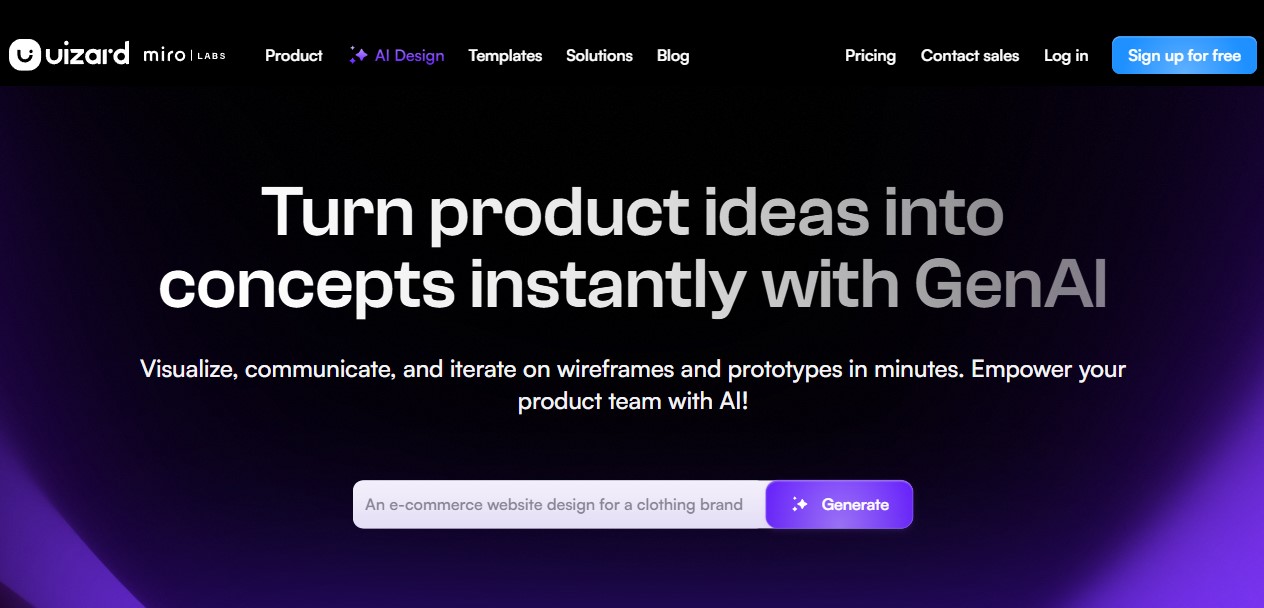
Uizard is a capable AI-assisted prototyping utility that can change hand-drawn drawings on notebook into high-fidelity virtual previews. You can just get a photo of a schematic in your diary, and Uizard's AI will convert it into an revisable mockup with standard design system widgets. It also has a capable "Autodesigner" capability that can generate various-view previews from prose instructions, causing it a adaptable resource for rapid mocking up.
Khroma
Khroma is a personalized AI color tool for stylists. You begin by selecting fifty of your favorite hues, and Khroma applies a machine learning engine to discern your inclinations. It then generates an infinite amount of distinctive, quintuple-toned palettes that are adapted to your precise aesthetic. It's a ingenious approach to uncover original and surprising palette pairings that you are mathematically inclined to enjoy, liberating you out of your usual creative tendencies.